




![The Google Workspace Bible: [14 in 1] The Ultimate All-in-One Guide from Beginner to Advanced | Including Gmail, Drive, Docs, Sheets, and Every Other App from the Suite](https://m.media-amazon.com/images/I/61BihJfkWNL._AC_UY218_.jpg)

Archival note: this article reflects reporting available through August 10, 2026, two days before Google's Made by Google keynote. It does not cover what was announced at that event. Readers looking for the outcome should consult post-event coverage.
Google had not announced a Googlebook launch event date as of that August 10 cutoff. No blog post, press invite, or executive statement available by then named a specific date or venue for Googlebook, the laptop line Google introduced on May 12, 2026.
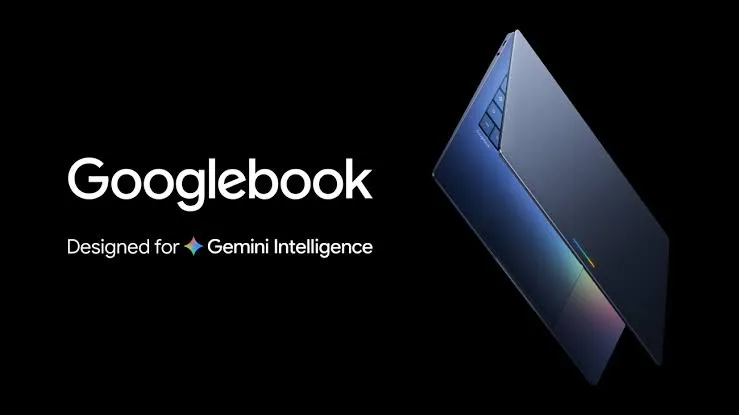
Google described Googlebook as a laptop line "designed for Gemini Intelligence" and said devices would become available this fall, without giving a specific launch date or venue in its May announcement. Weeks later, Google confirmed Made by Google 2026 for August 12 in New York City. 9to5Google reported the invite pointed to Pixel 11 and Pixel Watch 5, with no Googlebook mention in that coverage.
The dated New York event identified in the sources available through August 10 was Made by Google, whose invite coverage centered on Pixel. The reporting at that cutoff didn't establish whether Google had other Googlebook-specific events on its calendar.
What Google has actually confirmed about Googlebook
Google's May 12 blog post named the product, tied it to Gemini Intelligence, called the reveal a "sneak peek," and said devices would become available this fall. It did not provide a specific launch date or event venue.
The Verge added technical detail the same day, citing Peter Du of Google's global communications team on the record. Googlebooks are built on the Android technology stack, support Chrome browsing and Android apps, and can access files and apps directly from a connected Android phone.
Gemini Intelligence, according to that reporting, is built into "just about everything" on the device, down to a Magic Pointer feature that surfaces contextual suggestions when a user shakes the cursor and points it at something onscreen.
Branding wasn't locked down when that reporting ran, either. Du told The Verge that "Aluminium" is only a codename, and that Google had not finalized the official OS branding as of May.
Google also addressed what happens to its existing laptop line. The Verge quoted Du confirming, "Yes, there will be Chromebooks releasing after the launch of Googlebook." Existing Chromebooks retain their current support commitments; models released in 2021 or later remain covered for up to 10 years of automatic security updates.
Google's own announcement also confirmed that Acer, ASUS, Dell, HP, and Lenovo were working on the first Googlebooks.
Timeline: from Googlebook's announcement to the Made by Google keynote
May 12, 2026: Google introduces Googlebook via blog post, ties it to Gemini Intelligence, and says devices will become available in the fall without giving a specific date.
May 12, 2026: The Verge reports technical details and unresolved OS branding, citing Google's Peter Du.
July 7, 2026: Google announces Made by Google 2026 for August 12 in New York; 9to5Google ties the event to Pixel 11 and Pixel Watch 5, five weeks ahead of the keynote.
August 10, 2026: Chrome Unboxed publishes analysis naming two competing theories for a Googlebook debut: one folded into August 12, one at IFA Berlin.
August 12, 2026: The scheduled Made by Google keynote. This article's cutoff falls before that date and does not cover what was announced.
Is there a Googlebook event in New York?
Made by Google 2026 was scheduled for Wednesday, August 12, in New York City, the second consecutive year the keynote landed there, with a 3 p.m. PT / 6 p.m. ET start time. That's a dated, confirmed event in New York, but 9to5Google's coverage of the invite identifies Pixel 11 and Pixel Watch 5 as the headline products, not Googlebook.
Googlebook doesn't appear among the confirmed agenda items in that coverage, though an absence in an invite summary isn't the same as official confirmation that Googlebook was excluded.
Two days before the keynote, Chrome Unboxed described what it called "the most common theory" among Google-watchers: a Googlebook debut folded into that same August 12 event. That connection rests on Chrome Unboxed's analysis, not on any Google statement, invite line item, or other confirmed reporting available by August 10.
It's the closest thing to a Googlebook New York launch that the pre-event sources discuss, and it remained a theory rather than an announcement as of that report.
The same piece described a second popular theory: IFA Berlin in early September as an alternative launch venue. Chrome Unboxed argued against both possibilities rather than settling on either one.
Evidence framework: confirmed fact vs. analytical prediction
The available sources divide into three levels. Google's own blog post confirms the product exists, says it's "designed for Gemini Intelligence," names Acer, ASUS, Dell, HP, and Lenovo as partners, and gives a fall availability window without a specific date.
The Verge adds reported technical detail sourced to a named Google communications contact and confirms that "Aluminium" was a codename rather than finalized OS branding.
Chrome Unboxed offers analysis and forecasting, and its own language signals as much: "almost certainly" and "I am convinced." The outlet frames its case as prediction, not confirmation.
Chrome Unboxed's argument leans on precedent. It reports that when Chromebook Plus launched, Google hosted a standalone press event in New York with leadership, engineering teams, and OEM partners present rather than folding the reveal into another keynote, and that the Lenovo Chromebook Plus 14 launch followed a similar approach.
Its description of Googlebook as a multi-OEM platform involving Acer, ASUS, Dell, HP, and Lenovo is not speculative, however. Google itself named those five manufacturers as partners in its May announcement. What remained speculative was Chrome Unboxed's conclusion that their involvement made a dedicated launch event more likely.
Put together, the pieces Chrome Unboxed cites, unresolved OS branding as of May, an Android-based technology stack rather than a ChromeOS update, Chromebooks continuing to ship alongside the new line, and a confirmed multi-OEM manufacturing base, describe a significant platform shift.
The comparison with Android's original rollout and the argument that a change that size warrants its own stage are Chrome Unboxed's interpretation, not Google's. Nothing in Google's statements available through August 10 confirmed that reasoning would determine where or when Googlebook launched.
For this article, confirmation of a Googlebook launch event date would require something narrower: a dated Google blog post or press release naming a Googlebook event, an official invite or landing page, or an on-record statement from Google or one of its hardware partners specifying both a date and a venue.
General comments about building Googlebook hardware wouldn't clear that bar on their own, and neither would another round of source-based reporting presented as certainty.
The Googlebook launch event date: still unconfirmed
The August 12 keynote falls outside this article's August 10 reporting cutoff. Nothing available by that cutoff confirmed whether Googlebook would appear at that event, be pushed to a standalone showcase later in the fall, or surface instead around IFA Berlin.
What's confirmed as of that cutoff: Googlebook exists, is built on the Android technology stack, involves Acer, ASUS, Dell, HP, and Lenovo, and is coming this fall. What's theory: which stage it gets.
Readers seeking the current answer should consult post-event coverage rather than treating pre-event predictions, however well-reasoned, as settled fact.


Comments
Be the first, drop a comment!