





Google Pixel 11 Review: Why the Standard Model Wins
Google raised the price of its standard Pixel by $100 this year, and Engadget still recommends it without hesitation. In its Google Pixel 11 review, Engadget called the phone "a lot of phone for a little more money" and handed it a 9.2 out of 10, noting it "didn't change a ton, but is still one of the best smartphones on the market."
That's a strange thing to say about a phone that got more expensive and less different. The Pixel 11 starts at $899 with 256GB of storage, which puts it $200 below the Pixel 11 Pro's $1,099 starting price and $400 below the Pro XL's $1,299, according to Google's own announcement last week. On paper, the Pro models simply do more: a brighter display that can drop to 1Hz, a redesigned telephoto camera, a zoom range four times longer, and a HiLight notification feature reserved for the Pro line (Google).
So why does Engadget's own review keep pointing back to the cheaper phone? This is a specs-and-value breakdown of what Google actually changed in the Pixel 11, an honest look at where the Pro models pull ahead, and a buying framework for anyone deciding between them before the phones hit shelves on August 20.
Google Pixel 11 price and specs: what actually changed
The headline number is the price. Google's own announcement confirms the Pixel 11 lineup now starts at $899, $1,099 and $1,299 for the standard, Pro and Pro XL models, each shipping with 256GB of storage from the base tier (Google). Engadget's review frames the $100 jump plainly: the phone costs more, and what you get for it is an updated Tensor G6 chip, more base storage, and an improved main camera sensor (Engadget).
Charging got a quiet but real upgrade too. Qi 2.2 25W wireless charging arrives new on both the Pixel 11 and Pixel 11 Pro this generation (Google).
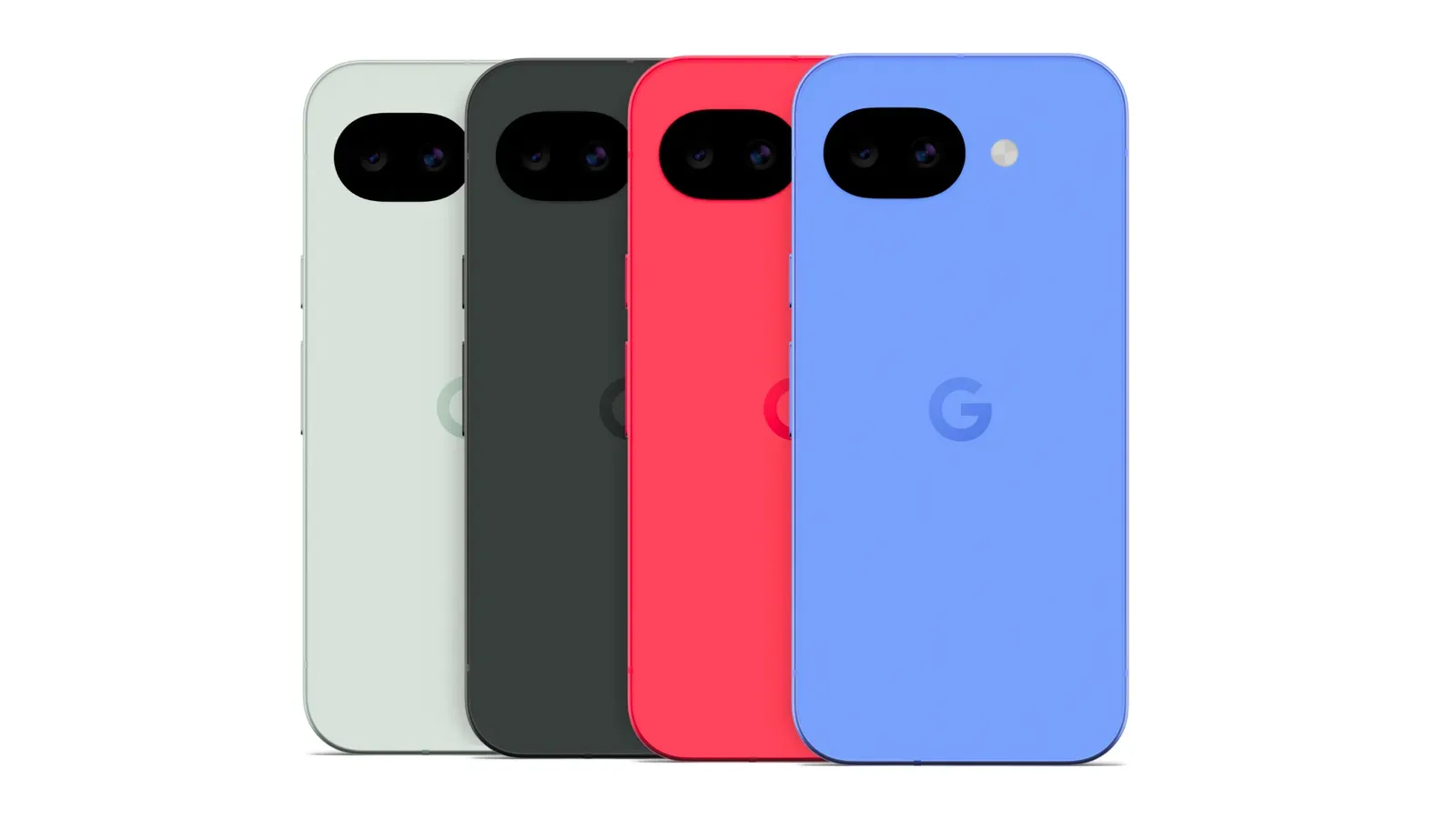
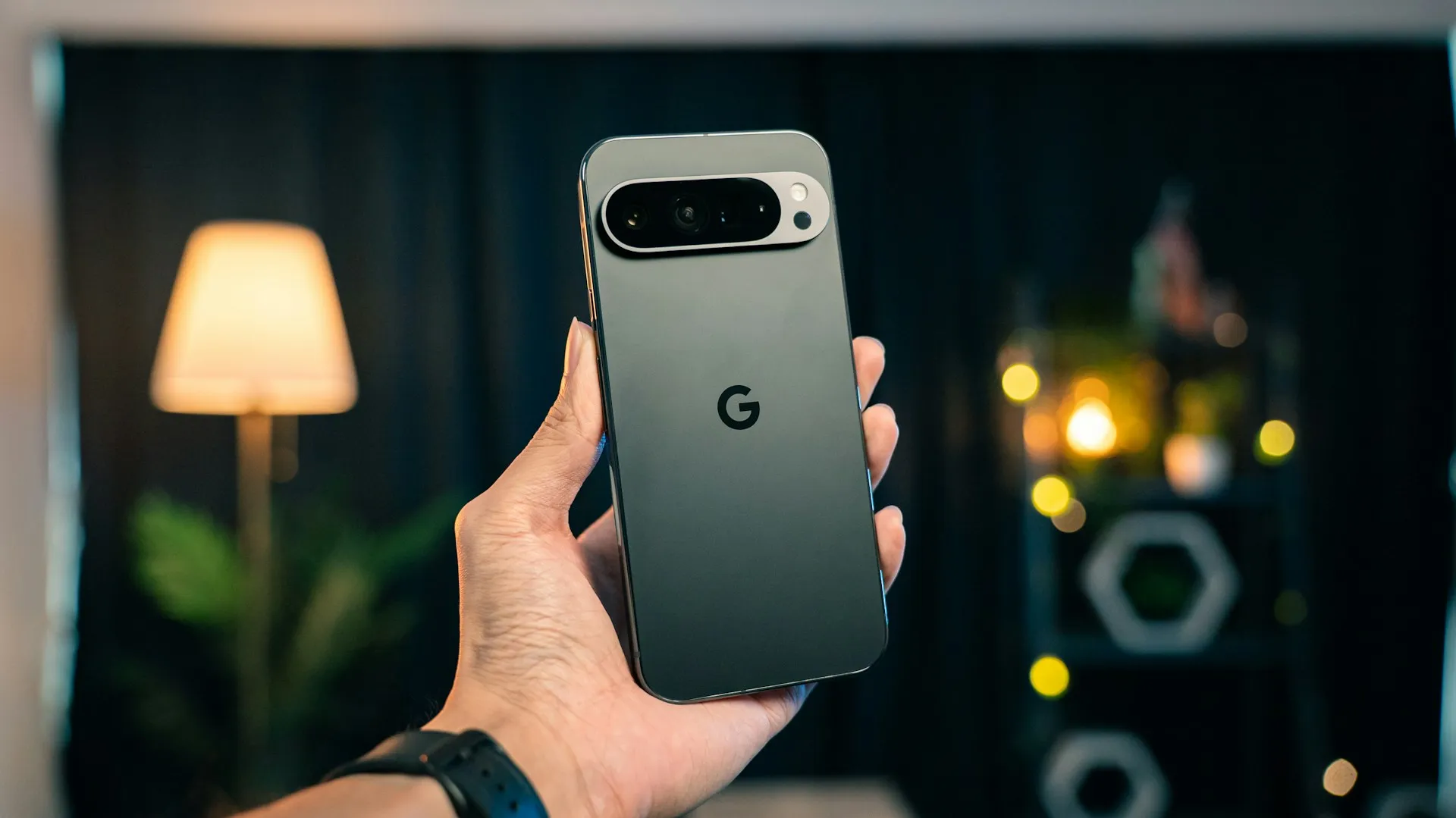
Design is where Google played it safest. The 6.3-inch Actua display is identical to last year's panel, still running a 60-120Hz variable refresh rate at up to 3,000 nits, and the phone keeps the same glass-front, glass-back, metal-edge build seen on prior Pixels (Engadget). The one visible change is the camera bar, which Google says it thinned by 40%, making the phone "virtually bumpless" once you put a case on it. Engadget's reviewer noticed the difference in hand, describing the camera "pill" as protruding less and making the whole phone feel more compact (Engadget; Google). Google also says the phone is engineered to withstand everyday splashes, scratches and drops, and it returns in four colors again this year, including a green called pistachio and a standout hibiscus red (Engadget; Google).
Then there's the support commitment: Google backs every phone in the lineup, base model included, with seven years of OS, security and Pixel Drop updates from launch (Google). That backing helps offset the $899 price tag once you spread it across the life of the phone.
Google Pixel 11 vs Pixel 11 Pro: which should you buy
Put the two phones side by side and the gap is real, not marketing spin. The Pro's display hits 3,600 nits at peak brightness, can drop its refresh rate all the way to 1Hz, and comes with a new coating Google says delivers more than double the scratch resistance of last year's glass. The standard Pixel 11 carries over the same 3,000-nit, 60-120Hz panel from before, unchanged (Google; Engadget).
The camera divide is even sharper. The Pro's telephoto lens was redesigned with a larger sensor for 30% more light sensitivity, Portrait Mode now works at 5x, and the combination of Tensor G6 and Google's imaging models pushes zoom out to 120x on the Pro line (Google). The base Pixel 11 keeps last year's 10.8-megapixel telephoto lens and tops out at 30x Super Zoom, up from 20x on the Pixel 10. Engadget's testing draws an important distinction here: that 30x zoom relies on AI upscaling and Google's HDR+ processing to sharpen detail, not the generative AI fill-in the Pro's 120x Pro Zoom uses (Engadget). It's a real capability, just a different kind than what the Pro offers at extreme range.
The Pro line also gets a couple of extras the base model skips entirely. HiLight uses colored LEDs around the camera flash to signal notifications, incoming calls from specific contacts, or Gemini's listening and thinking states without you looking at the screen. The Pro XL adds fast-charging that Google says delivers 15 hours of battery life from just 15 minutes plugged in (Google).
The Pro models have the stronger hardware specifications, but that does not make them the better value for every buyer. For anyone whose photography rarely goes past a quick zoom, that extra capability sits unused most days. The decision comes down to which features you'd actually reach for:
- Choose the Pixel 11 for the $899 starting price, 256GB base storage, the upgraded main sensor, and the Tensor G6 features shared across the whole lineup (Google).
- Choose the Pixel 11 Pro for the 3,600-nit, 1Hz-capable display, the redesigned telephoto with 5x Portrait Mode and 120x Pro Zoom, and the HiLight notification light (Google).
- Choose the Pro XL specifically for its larger footprint or Google's claim of 15 hours of battery life from 15 minutes of charging (Google).
Google Pixel 11 camera and Tensor G6: what the base model gets right
Google says the Pixel 11's larger 48-megapixel main sensor delivers 56% more light sensitivity than last year's model for low-light shots (Google). Engadget's testing confirms the sensor itself is physically bigger than the one in the Pixel 10, though the ultrawide, telephoto and selfie cameras all carry over unchanged (Engadget). For buyers who mostly shoot with the main camera, that's the single upgrade most likely to show up in everyday photos.
Tensor G6 is the other half of the pitch. Google says the chip's upgraded CPU delivers 25% faster web browsing and 15% quicker app launches, and that its expanded TPU processes on-device AI tasks up to 3.5 times faster while using up to 3.5 times less energy than the previous generation (Google). Those are Google's own performance figures from internal testing, not numbers independent reviewers have verified yet, so treat them as a company's claim about its own chip rather than a proven real-world result.
Where the improvements do show up in hands-on testing is Magic Capture. Google says the feature analyzes roughly 400 frames per session to automatically select and edit the best stills (Google). Engadget's reviewer found it worked especially well for sports and dance, reliably freezing dynamic poses without needing to time the shutter perfectly, though the same reviewer wished video processing moved faster (Engadget).
The rest of the AI layer is less about photos and more about text and context. Rambler cleans up dictation on the fly, so a sentence with a mid-thought correction comes out reading naturally instead of literally. Proactive Intelligence, an expansion of last year's Magic Cue, surfaces relevant information inside the apps already open on screen. Both run on a TPU Google says is 50% faster than the Pixel 10's, and the supplied materials do not identify Rambler or Proactive Intelligence as Pro exclusives (Engadget). That matters for the value argument: the software layer that makes this generation of Pixel feel smarter isn't clearly gated behind the higher price.
Is the Google Pixel 11 worth buying in 2026: battery, durability and ownership
The available hands-on evidence is encouraging, with one important caveat. Engadget's reviewer reported the battery rarely dropped below 50% on a typical day, and in one weekend test the phone ran from 8 a.m. Saturday to 7 p.m. Sunday without needing a charge. Battery saver kicked in automatically below 20%, but the reviewer never had to lean on extreme battery saver or ration usage to get through the day (Engadget). That's a single reviewer's experience over a limited window, not a standardized battery benchmark, but it's a meaningfully positive one.
The bigger unknown is the modem. Google swapped out the Samsung modem used in last year's Tensor G5 for a new MediaTek modem, a change that had been rumored for months before launch (9to5Google). Google describes the new modem as faster, more reliable and more power efficient than its predecessor, but a footnote attached to those claims specifies they're based on "pre-production devices in lab-controlled conditions," not phones running on live carrier networks (9to5Google). That's a meaningful asterisk on a component that affects call quality, data speed and battery drain in ways a lab can't fully replicate.
Durability is a smaller but tangible improvement. Google says the phone is engineered to handle everyday splashes, scratches and drops, and the thinner camera bar also stops the phone from wobbling when set on a flat surface (Google).
A few other ownership details belong in the value calculation. Storage on all three phones starts at 256GB, but buyers who want more can step up to 512GB (Engadget). The seven-year update commitment covers every model equally, so a Pixel 11 bought this month should keep receiving OS and security patches into 2033 (Google). The one Pro-exclusive perk that doesn't show up on a spec sheet is a subscription: Pro and Pro XL buyers also get six months of Google AI Pro for eligible users, including higher Gemini usage limits, 5TB of cloud storage and Google Health Premium (Google). That's real value that narrows the price gap for anyone who'd pay for those services anyway. The supplied research does not include standardized battery, drop, or carrier-network comparisons, so these ownership claims are worth treating as a starting point rather than the final word.
The best Pixel phone to buy in 2026 comes down to what you'll actually use
The $100 price increase mostly disappears once you count what's now included at $899: more base storage, a materially upgraded main sensor, and AI features that run the same as they do on the $1,299 model. Those upgrades make the higher starting price easier to justify.
The Pro line makes sense for photographers who lean on extreme zoom, anyone chasing the brightest possible display, or buyers who'd actually use that bundled six months of Google AI Pro. For most everyone else, the base Pixel 11 delivers the parts of this generation that show up daily: the camera sensor upgrade, Tensor G6's speed and AI gains, and the same seven years of support Google promises across the lineup.
The open question is the modem. Google's claims about the new MediaTek chip come from pre-production lab testing, not phones running on live networks, so how it performs on Verizon, AT&T or T-Mobile in practice is still unproven. Until independent reviewers get a chance to test it against rivals, the standard Pixel 11 remains the more rational buy for anyone who wants most of what makes this year's Pixel good without paying for the Pro's specialist features.






Comments
Be the first, drop a comment!