



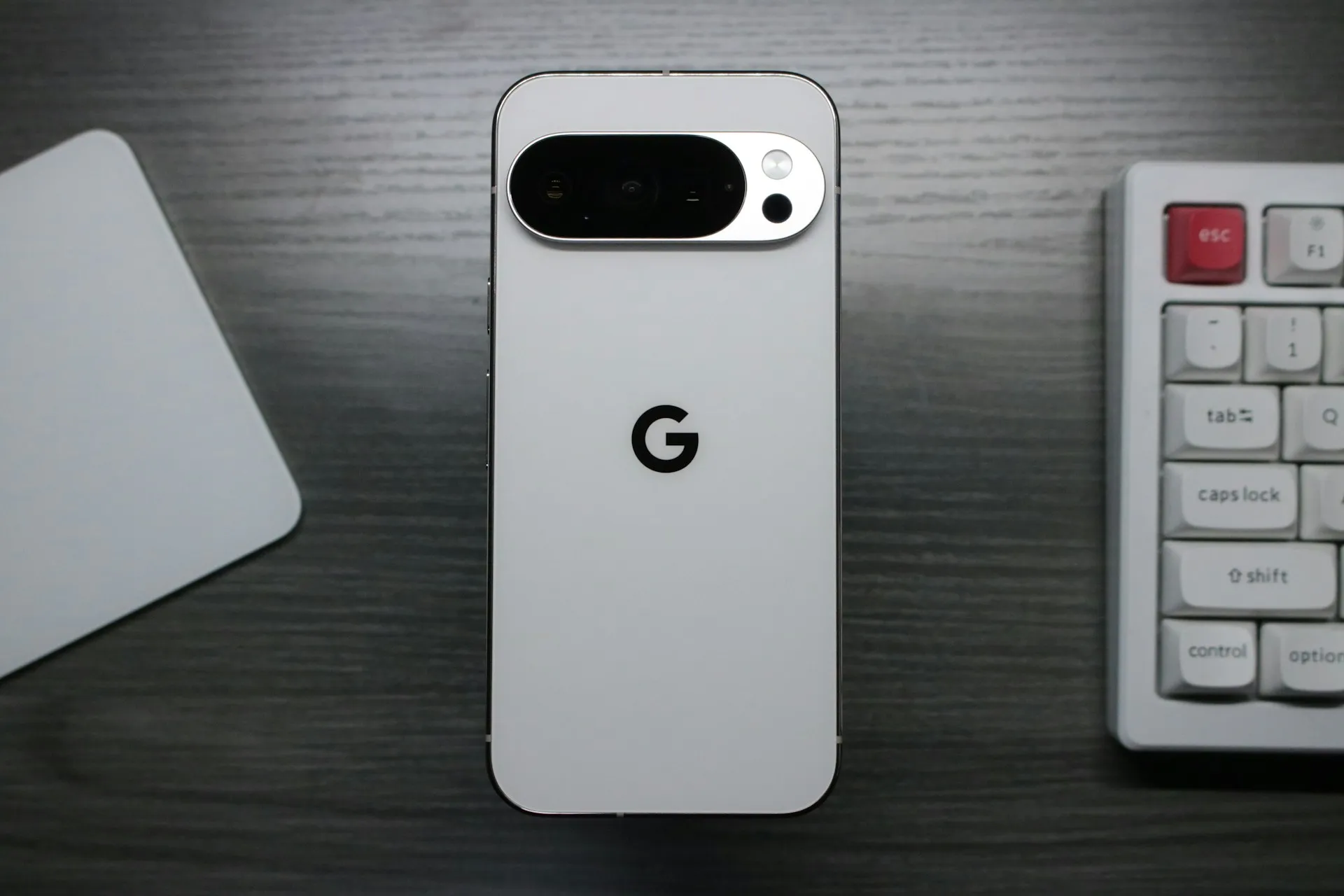
Picture this: you're settling in for a long flight with your shiny new Google Pixel 10, but instead of squinting at that bright OLED screen for hours of reading, you could snap on a tiny e-reader that transforms your phone into the ultimate portable library. That's exactly what Viwoods is proposing with their new AiPaper Reader – a pocket-sized e-ink device that recently launched as the world's first Android 16 e-reader.
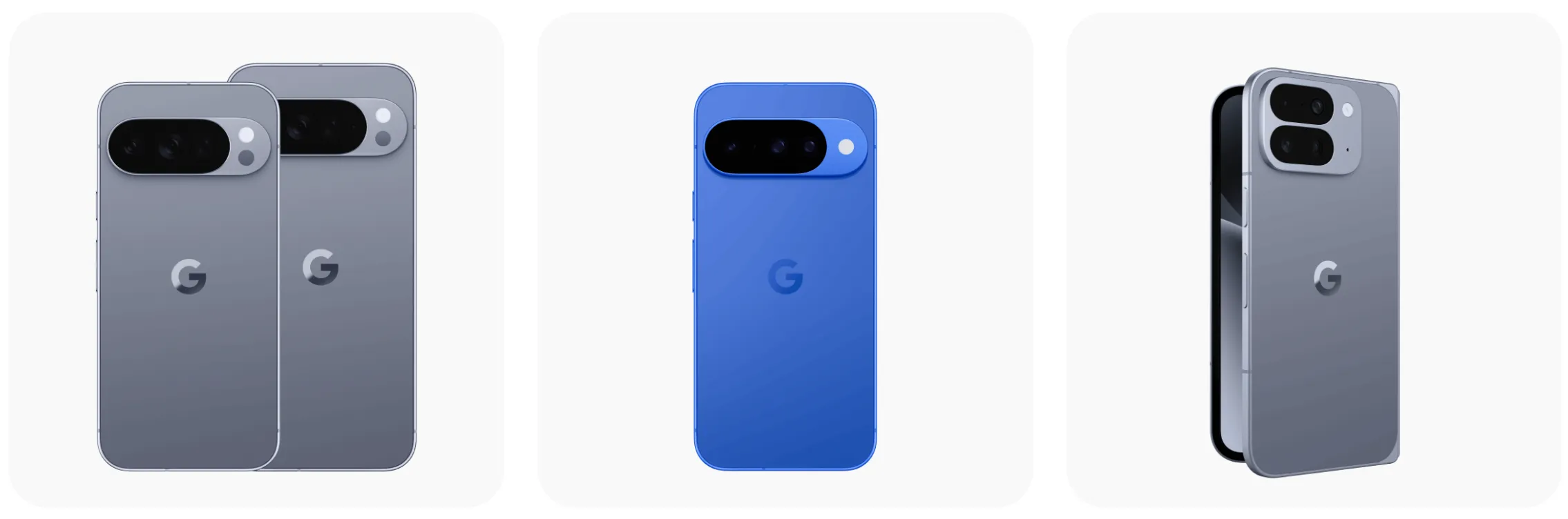
The compact device measures just 159.4 by 80.3 by 6.7 millimeters and weighs only 138 grams, making it about the same size as your phone but dedicated entirely to comfortable reading. What makes this particularly compelling is how it could complement Google's latest flagship – the Pixel 10 Pro Fold, which already serves as a tablet replacement with its expansive 8-inch internal screen. Together, these devices hint at a future where your phone becomes the hub of a specialized accessory ecosystem, each piece optimized for different tasks.
Now here's where things get interesting – while we don't have an official Pixel-compatible e-reader attachment yet, the AiPaper Reader demonstrates exactly why this modular concept makes so much sense for modern users who want both connectivity and comfort.
Why phone-sized e-readers are solving real problems
Let's break down what's driving this trend toward pocket-friendly reading devices, because it's really about addressing fundamental pain points that traditional e-readers haven't solved. The traditional e-reader market has been dominated by larger devices that mimic the size and shape of a paperback book page, but companies like Onyx BOOX have pioneered pocket-sized eReaders with their Palma line specifically because these devices are designed to be as easy to carry as a phone, fitting seamlessly into your existing tech ecosystem.
The key insight here is that modern reading habits have evolved far beyond the "sit down with a book" model. You can find hundreds of ebook apps for smartphones on the App Store, Google Play, and other marketplaces, and today's reading applications support ePub, PDF, and other formats, along with audiobooks, text-to-speech tools, and cloud sync across devices. The problem isn't access to content – it's that reading on bright screens during commutes, flights, or outdoor settings creates eye strain and battery drain that makes extended reading sessions uncomfortable.
That's where the phone-sized form factor becomes crucial. These devices look best when displaying static text and are glare-free even in direct sunshine, solving the exact scenarios where smartphone reading fails. Whether you're reading on a bright airplane window seat, during your lunch break outdoors, or simply want to preserve your phone's battery for essential tasks, a dedicated e-reader eliminates these friction points without requiring you to carry something the size of a tablet.
What makes the AiPaper Reader a glimpse into the future
The Viwoods AiPaper Reader isn't just another small e-reader – it's showcasing the kind of integrated, intelligent features that point toward where this category is headed. The device features a 6.13-inch Carta 1300 E-Ink display with 300 ppi resolution, powered by a 6nm octa-core processor with 4GB of RAM and 128GB of storage. But here's what sets it apart: it's the first E Ink device to ship with Android 16 right out of the box, ensuring compatibility with modern apps and services for years to come.
The AI integration represents a fundamental shift in how we think about reading devices. The device includes a dedicated AI button that connects to ChatGPT, Gemini, or DeepSeek AI models, allowing users to turn brief voice or typed prompts into explanations, translations, and summaries that appear beside passages. This creates something entirely new – instead of passive reading interrupted by context-switching to look up information, you get an interactive learning experience where responses from AI appear beside the selected passage within the reading view, maintaining reading momentum.
Imagine reading a complex technical article and being able to instantly capture exactly what's on screen for analysis without leaving the reading view. The AI can explain jargon, provide historical context, or even generate summaries of dense passages – all while you maintain focus on the content. This transforms reading from a solitary activity into an enhanced educational experience that's particularly valuable for professional development, academic research, or learning new subjects.
The connectivity story is equally compelling. The device supports 4G LTE data connectivity through a SIM card slot, along with dual-band WiFi and Bluetooth 5.0. The 2,580mAh battery should deliver solid endurance despite the modest capacity, thanks to the power-efficient nature of e-ink displays. This means you can access your entire digital library, sync across devices, and use AI features anywhere you have cellular coverage – solving one of the biggest limitations of traditional e-readers.
How this concept transforms the Pixel 10 experience
Here's where the concept gets genuinely exciting for Pixel 10 users, even though we're still in conceptual territory. Google's latest flagship series has embraced magnetic accessories through the Pixel Snap system, making modular attachments more practical than ever. The Pixel 10 Pro Fold already demonstrates impressive versatility – it can handle multiple windows, supports Qi2 magnets for stands, and pairs well with Bluetooth keyboards. This magnetic ecosystem creates the perfect foundation for complementary devices like e-reader attachments.
Consider how this could work in practice: your Pixel 10 becomes your communication and productivity hub, while a magnetic e-reader attachment handles focused reading sessions. The Pixel 10's enhanced Gemini AI integration could seamlessly sync with the e-reader's AI features, creating a unified knowledge base across both devices. When you highlight and analyze content on the e-reader, those insights could automatically appear in your Google Keep notes or contribute to your broader research workflow.
The market positioning makes sense too. The Pixel 10 series starts at $799 for the base model, positioning it as a premium device where users invest in ecosystem accessories. The AiPaper Reader's monochrome version is priced at $279, making it a reasonable addition for professionals, students, or serious readers who want specialized hardware for different tasks.
What's particularly compelling is how this addresses a core limitation of even the best foldable phones. The Pixel 10 Pro Fold's 16GB of RAM can handle demanding multitasking, but you're still using the same bright OLED screen for everything. An e-ink attachment would provide a true paper-like reading experience while keeping your main device available for notifications, calls, and quick tasks – essentially giving you the best of both worlds without the compromises.
The environmental and practical case for modular devices
This concept taps into a broader shift toward sustainable, modular computing that addresses both environmental concerns and user flexibility. The traditional e-reader market has been stagnant in terms of innovation, with companies like Amazon and Kobo making only incremental improvements. Meanwhile, E INK doesn't spend much on screen tech for e-readers anymore, focusing instead on other applications like digital signage and automotive displays.
But the modular approach suggests a different path forward – one where specialized devices become part of a larger ecosystem rather than standalone products that duplicate functionality. Instead of carrying a phone, tablet, and e-reader, you'd have one primary device with attachments for specific use cases. The inclusion of 4G LTE, color display options, and third-party app support makes these devices less distraction-free than traditional e-readers, but that connectivity enables seamless integration with your broader digital life.
The Android 16 operating system ensures long-term app compatibility for the next 5-8 years, addressing one of the biggest pain points with older e-readers that become obsolete as apps stop supporting outdated Android versions. Users can easily install apps like Kindle, Kobo, or Libby, accessing their entire digital library regardless of where they purchased their books, while maintaining the specialized hardware benefits for extended reading sessions.
From an environmental perspective, this approach reduces the total number of devices you need to own and carry. Rather than having multiple single-purpose gadgets that each require their own manufacturing resources, packaging, and eventual disposal, modular accessories can share the computational power and connectivity of your primary device while providing specialized interfaces for different tasks.
What this means for the future of reading technology
The AiPaper Reader represents more than just another gadget – it's demonstrating how our relationship with reading technology might evolve beyond the traditional choice between convenience and comfort. The AI integration transforms passive consumption into active learning, where you can instantly explore concepts, get translations, or generate summaries without breaking your reading flow. This is particularly valuable for educational content, professional development, or exploring complex topics where context and explanation enhance understanding.
For Pixel 10 users specifically, this kind of accessory ecosystem could fundamentally change how you think about your phone's role in your daily workflow. Instead of treating your device as a single tool that has to handle everything adequately, imagine it as the intelligent hub of a modular system where specialized accessories handle specific tasks optimally. An e-reader attachment provides superior reading comfort and battery life, while your phone maintains its strengths in communication, productivity, and quick information access.
The key takeaway is that we're moving toward a future where our primary computing devices become more adaptable and specialized accessories become more intelligent. The smartphone as we know it might evolve into something more like a digital Swiss Army knife, with magnetic attachments for different activities. Reading, with its specific requirements for eye comfort, distraction management, and extended focus, represents an ideal use case for this kind of specialized hardware that enhances rather than competes with your primary device.
Whether Viwoods or another company ultimately creates the perfect Pixel-compatible e-reader remains to be seen, but the underlying concept feels not just appealing, but inevitable. As our devices become more powerful and our digital habits more diverse, the line between phones, tablets, and e-readers will continue to blur – but in ways that give us better tools for specific tasks rather than just more generic screens. The AiPaper Reader is showing us what that future could look like, and honestly, it's a future where reading becomes more connected, intelligent, and enjoyable than ever before.








Comments
Be the first, drop a comment!