




Your Pixel phone just got a major security upgrade, one that reshapes how you deal with sketchy messages. Google is taking its scam detection beyond old-school calls and texts.
Recent analysis of Android System Intelligence updates reveals that this enhanced protection will soon monitor popular messaging platforms like WhatsApp, Instagram, and Signal. The timing tracks with reality, as cybercriminals are increasingly exploiting AI tools to spin up more convincing scams across every channel where people chat.
Think about how it plays out now — weeks of carefully crafted romance messages over Instagram DMs. A WhatsApp group hyping a fake cryptocurrency opportunity, complete with testimonials and urgency.
These spaces are attractive targets because traditional phone and SMS protections do not follow you there. Google’s cross-platform approach aims to close that gap and give you one shield across many apps.
How your Pixel will spot scams across chat apps
The expanded detection sits at the notification layer, not inside each app. Evidence from the latest Android System Intelligence build shows the system will analyze message notifications and flag content that looks suspicious or harmful, catching patterns typical of scams. That setup means numerous apps can benefit from protection without requiring changes to their code from their creators.
Under the hood, the system intercepts notification previews before they hit your screen, then Gemini Nano reviews the text for manipulation tactics like urgency creation, “Act now or lose this opportunity!”, authority impersonation, “This is your bank’s fraud department”, or other social engineering pressure points. Instead of waiting for WhatsApp or Instagram to build their own tools, this route delivers broad protection right away.
Control is granular. You get a “Not a scam” button for false alarms, plus the option to pause detection for specific chats. Code analysis suggests the system works on a per-chat basis rather than blanket app-level switches. Supported platforms potentially include Facebook Messenger, Instagram, Signal, WhatsApp, KakaoTalk, Line, and even Twitter.
That flexibility mirrors how trust actually works. You might want strong protection for messages from new dating matches, then dial it back in a family group thread. No more all-or-nothing security that gets in the way.
What makes this different from existing protection
Most basic spam filters hunt for keywords. This system leans on contextual analysis. The feature may be powered by Gemini Nano, the on-device AI model that already handles scam detection for calls and texts, so your phone can spot subtle manipulation, not just buzzwords.
Gemini Nano can read the flow of a conversation. It can flag when a friendly chat slowly pivots to money talk, or when the phrasing aligns with known social engineering scripts. Less whack-a-mole with single phrases, more pattern recognition over time.
Privacy stays front and center. Processing happens on your device, within a secure, isolated environment. Google’s approach keeps information and alerts completely local. Your conversations do not leave your phone, yet you still get real-time protection that adapts as scammers change tactics.
When you’ll get these enhanced protections
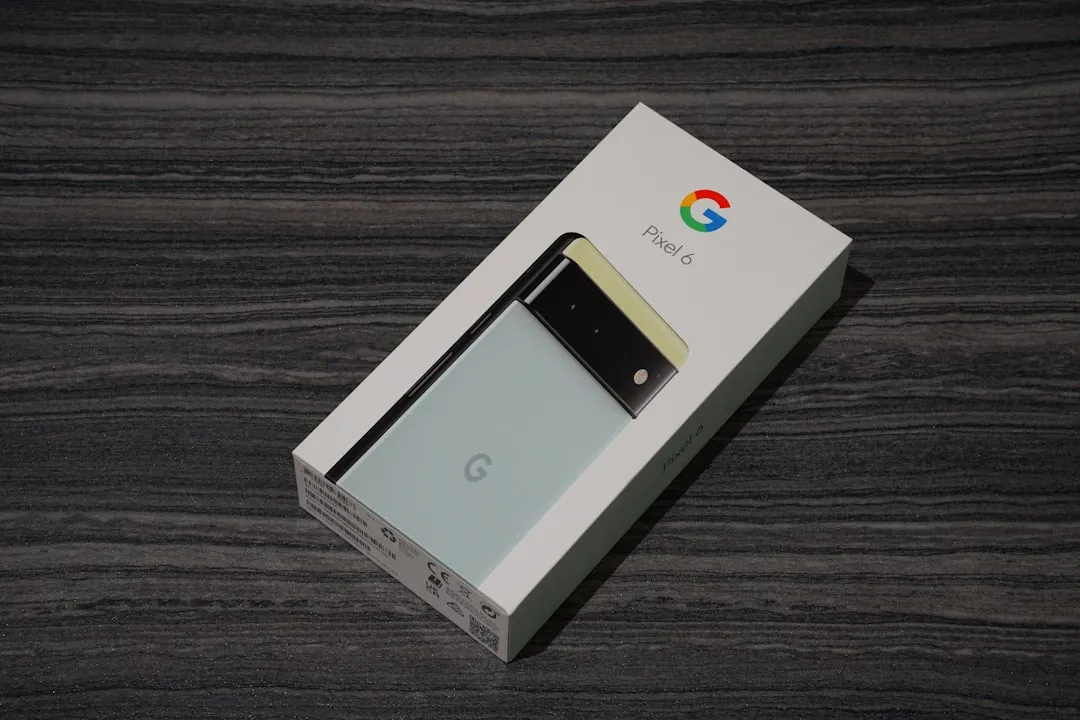
The rollout appears focused first on newer Pixel hardware, with build identifiers pointing toward Pixel 10-generation implementation. The feature is expected to reach Pixel 9 series devices eventually, though Google has not given a timeline.
There is a practical reason for that. Real-time analysis across many apps, while keeping your phone snappy, calls for serious on-device AI horsepower that newer chipsets handle better.
Current scam detection features are available exclusively in the US and require you to turn them on. The expanded protection will likely follow the same path, with access through Settings > Security & Privacy > More Security & Privacy > Scam Detection. Familiar spot, same controls.
Opt-in keeps you in charge. Some people prefer their own judgment, others want guardrails. Flip the switch when it suits your comfort and performance preferences.
The bigger picture for mobile security
This shift shows how phones can actively shield people from digital cons, not just clean up after. Scammers are increasingly misusing AI tools to scale and enhance their schemes, which makes old keyword filters feel blunt. On-device AI fights back in real time without giving up privacy.
The threat landscape is messy. AI-generated personas that keep a believable chat going for weeks. Voice calls mimicking someone you trust. Phishing that adapts to your replies. Traditional defenses struggle to keep up with that kind of shape-shifting.
By working at the notification layer, security features can protect you across many platforms at once, no matter how each app handles safety. And with platforms like WhatsApp and Instagram serving as havens for scammers, cross-app protection is not just nice to have, it is essential. The result, if it lands as intended, is simple: more confidence when new messages roll in, fewer stomach-drop moments when a stranger pings you from out of the blue.
Bottom line: this is not just another toggle in Settings. It is a single shield that adapts to how we actually communicate in 2024 and beyond. As messaging keeps splintering across dozens of apps, having one detector that follows you everywhere could be the difference between getting duped and staying safe.














Comments
Be the first, drop a comment!