



When you're in an emergency, every detail matters. But how do you communicate what you're seeing to a 911 dispatcher who's working from a control center miles away? Google just solved that problem with a breakthrough that could literally save lives—Emergency Live Video for Android is rolling out today across the United States, and it's about to change how we connect with first responders forever.
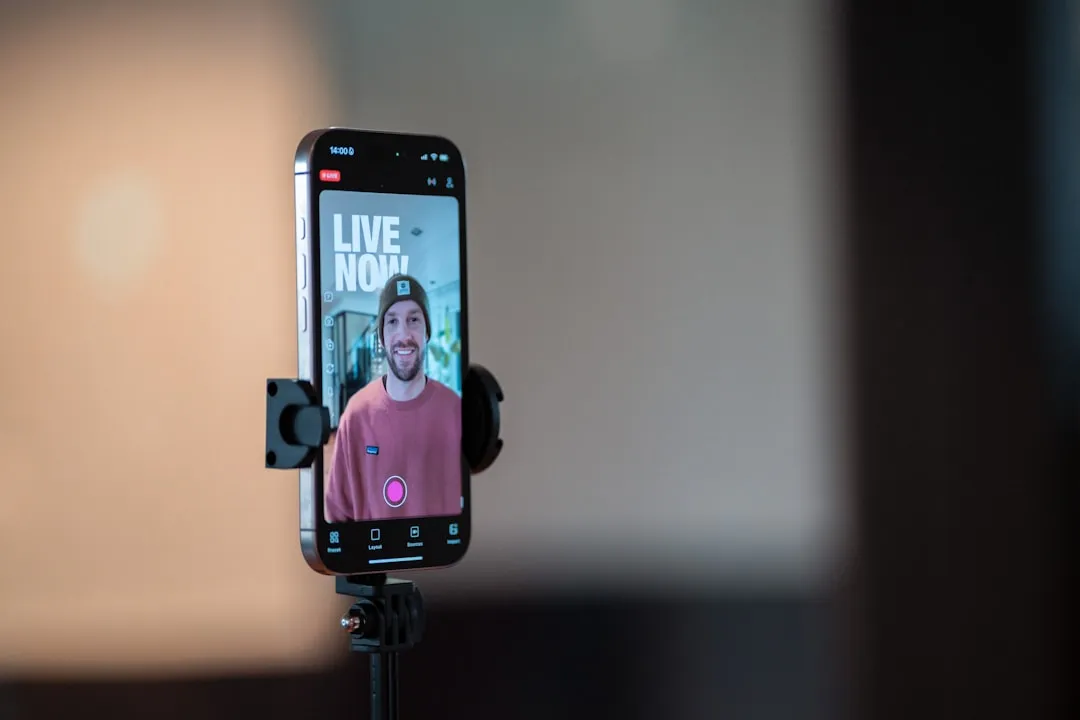
The concept is elegantly simple yet revolutionary. When you're on a 911 call, dispatchers can now send a request directly to your Android phone asking for live video access, according to Google. You stay in complete control—one tap lets you share or decline the request, and you can stop streaming instantly at any time. The entire feed is encrypted by default, ensuring your privacy remains protected even in emergency situations, as reported by CNET.
Here's what makes this particularly groundbreaking: it works on devices running Android 8 or newer with Google Play services—that covers virtually every Android phone in use today, according to multiple sources. No special apps to download, no complicated setup process. When crisis strikes, the technology is simply there when you need it most.
Why visual context changes everything for emergency response
Emergency dispatchers are essentially working blind during most 911 calls—they're trying to assess situations, determine the right resources to send, and potentially save lives based solely on what callers can describe under extreme stress. Live video completely transforms that dynamic by providing immediate situational awareness that can dramatically improve response accuracy.
The research on this is compelling. In real-world testing of similar systems, dispatchers changed their assessment of patients' conditions in over 51% of calls after viewing live video, according to a study published in BMC Emergency Medicine. Even more importantly, emergency response protocols were modified in 27.5% of cases—meaning the right help got dispatched more accurately and efficiently.
Think about what that means in practical terms. Instead of sending a full ambulance crew to what turns out to be a minor injury, dispatchers can see the situation and send appropriate resources. Conversely, they can immediately escalate response when visual cues reveal a situation is more serious than initially described. The visual information helps responders quickly assess situations and provide exactly what's needed in the moment, Google explains.
During large-scale incidents like natural disasters, call volumes can spike by as much as 12,500%, making efficient resource allocation absolutely critical, according to RapidSOS data. Live video helps dispatchers make faster, more informed decisions about where to send limited emergency resources when every unit counts.
How Android catches up to iOS (and goes beyond)
This feature brings Android in line with Apple's Emergency SOS Live Video, which launched in 2024 for iPhone users, as noted by The Verge. But Google's implementation leverages some significant technical advantages that position it as more than just feature parity—it's a comprehensive upgrade to emergency communication infrastructure.
Google has partnered with RapidSOS to power the backend infrastructure, which means the system integrates seamlessly with existing 911 dispatch software and provides redundant pathways for reliability, RapidSOS confirms. This isn't just another tech feature—it's built on a platform that has already supported over one billion emergencies across a dozen countries and works with more than 22,000 agencies serving one million first responders, according to their data.
The technical sophistication here is noteworthy: RapidSOS HARMONY AI combines live video with other data sources in the RapidSOS network, giving first responders "one complete view of an emergency in seconds," RapidSOS notes. That means your video feed isn't isolated—it's integrated with location data, device information, and other contextual intelligence that helps dispatchers make more informed decisions.
The feature builds on Google's existing safety ecosystem, which already includes Car Crash Detection, Fall Detection, Emergency Location Service, and Satellite SOS, Google notes. This integrated approach means your phone can automatically detect emergencies and now provide visual context when human dispatchers need it most.
Privacy and control: what you need to know
The idea of emergency services potentially accessing your camera might raise privacy concerns, so Google has built multiple safeguards into the system to ensure you maintain complete control throughout any emergency interaction.
First and most importantly, dispatchers cannot activate your camera without explicit permission, The Verge reports. They can only send a request, which appears on your screen with clear "Share" or "No thanks" options, as detailed by 9to5Google. You must actively approve each request—there's no automatic activation, no background access, no surveillance capability.
The video feed is encrypted by default, and you can stop streaming at any point during the call simply by tapping a button, Google emphasizes. The video isn't automatically stored on your device, though individual agencies may retain footage based on their own policies and legal requirements, according to industry reports. This approach balances the need for emergency documentation with legitimate user privacy concerns.
Bottom line: you're in control. The technology is there to help you in a crisis, but only when you explicitly choose to use it.
Where this technology is heading
The rollout is starting in the US, Germany, and select regions of Mexico, with Google "closely working with public safety organizations around the world to expand this capability to more regions," 9to5Google reports. This global expansion represents more than just feature rollouts—it's part of a fundamental evolution in how emergency services operate worldwide.
The broader context here reveals a fascinating transformation in emergency communications infrastructure. Emergency centers across 49 states are already using various video technologies to serve over 90 million Americans, Prepared911 reports. Google's implementation represents the mainstreaming of what has been a patchwork of regional solutions, creating standardized capabilities that work consistently across jurisdictions.
This standardization matters because it enables coordinated responses during major incidents that cross regional boundaries. When your emergency feature is built into the operating system of billions of devices worldwide, it fundamentally changes the scale and reliability of emergency communications infrastructure.
Google is also expanding emergency communication capabilities through RCS messaging for 911 centers, which will enable texting with multimedia support in areas that currently lack text-to-911 capabilities, RapidSOS confirms. This creates a comprehensive communication upgrade: only 53% of US 911 centers can currently receive text messages, so RCS implementation alongside live video represents a substantial leap forward in emergency communication options.
The technology has already proven its worth in real-world scenarios where it's been tested. Emergency centers using video have successfully assisted with live births, volcanic eruption responses, and mountain rescues, Prepared911 documents. That's not theoretical—that's lives saved through better situational awareness.
The bottom line: emergency response gets smarter
This isn't just about adding another feature to your phone—it's about fundamentally improving how emergency services work. When dispatchers can see what's happening, they make better decisions about resource allocation, response urgency, and the type of help needed on scene.
The research backs this up: studies show 58% higher odds of changing emergency response when video is available, leading to more appropriate resource deployment, BMC Emergency Medicine studies confirm. That translates to faster help when you need it urgently, and avoiding unnecessary resource deployment when situations are less critical than they initially appeared.
For Android users, this feature should be rolling out automatically through Google Play Services updates over the coming weeks. You won't need to download anything new or change your emergency calling habits—the option will simply be there when dispatchers need visual context to help you better. In a world where smartphone cameras have become our eyes on everything from family moments to breaking news, it makes perfect sense that they're now becoming emergency services' eyes on critical situations too.
What's particularly elegant about Google's approach is how seamlessly it integrates with existing emergency infrastructure while dramatically expanding capabilities. This isn't disruptive technology—it's enhancing technology that works with the systems and processes first responders already know and trust, just with dramatically better information to work with when seconds count.



Comments
Be the first, drop a comment!